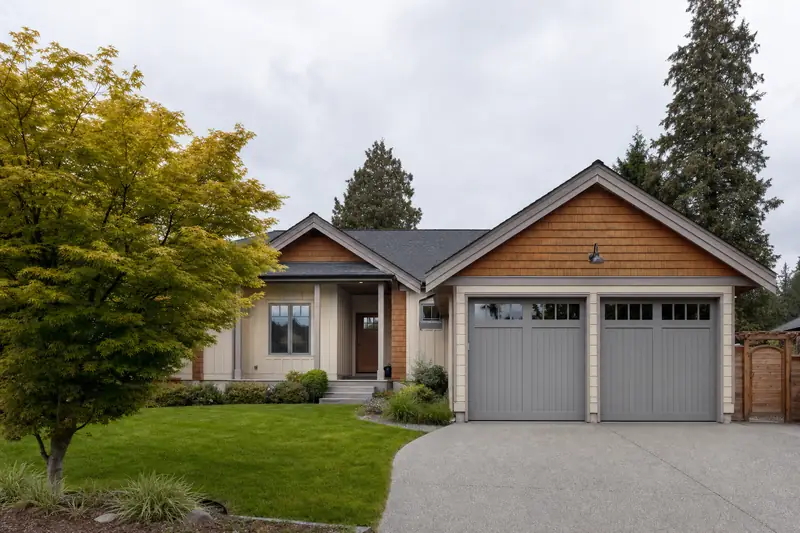
Locally owned.Family run.30+ years.
Maintenance
Most garage door call-outs are avoidable. Not all - springs wear out no matter what you do - but a great many of the grinding, scraping, reversing, juddering complaints we get are the result of a door that has had nothing done to it in fifteen years.
Here is what is worth twenty minutes twice a year, and where to stop.
Two tests, sixty seconds, and they are the ones that actually matter.
Both of these are legally required safety features and both drift out of adjustment over time. If either fails, stop using the door until it is sorted.
Run the door with the radio off and just listen. A healthy door is a steady hum with no individual events in it. Rhythmic clicking is usually a roller. Scraping is a track. A single clunk at the same point every time is a hinge or a bad section of track.
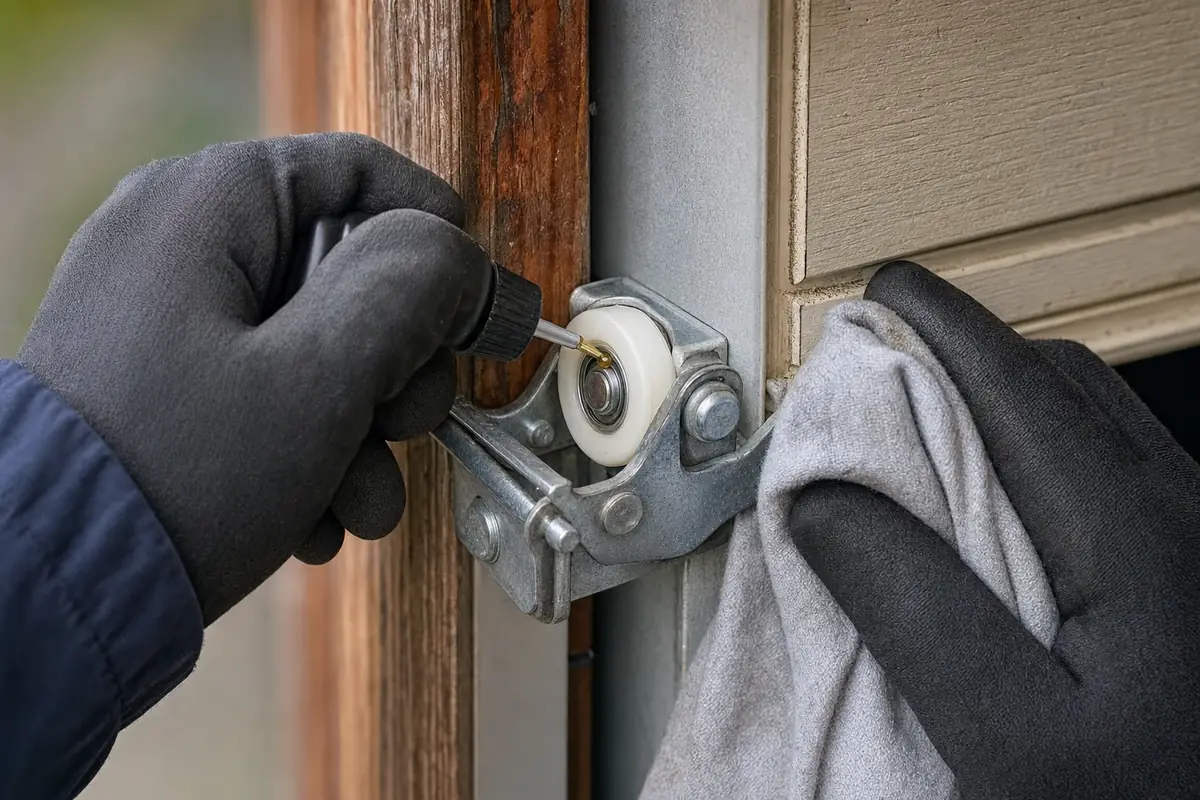
A light spray on the hinges, roller stems, springs and bearing plates. Use a proper garage door lubricant or a light machine oil.
WD-40 is a solvent and a water displacer. It strips the lubricant that is already there and leaves the joint drier than it found it. And the track is not a bearing surface - the rollers are meant to roll along it, not slide. Grease in the track collects grit and turns into a lapping compound.
Anything involving spring tension, and anything involving the cables while they are under load. That means: torsion springs, extension springs, cable replacement, drum adjustment, and re-tensioning a door that has gone out of balance.
Also worth leaving alone: force and travel limit settings on the opener. They look like simple dials and they control how hard the door is willing to push before it decides it has hit something. Set wrong, they defeat the safety feature you tested at the top of this article.
Thirty-plus years of doors across Greater Vancouver. Urgent calls come first.
Thirty-plus years of doors, written down. Straight answers on springs, openers and what a door actually costs.
 Garage door safety
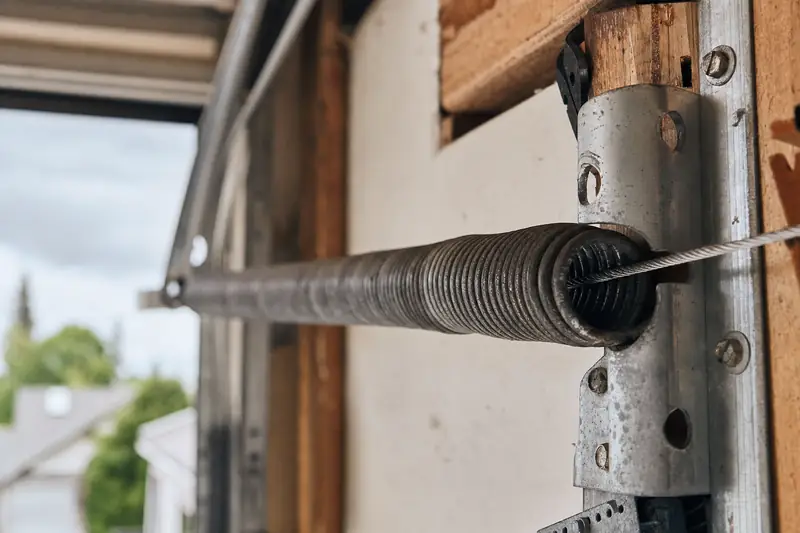
Why extension springs are the most dangerous part of an older door.
Read the guide →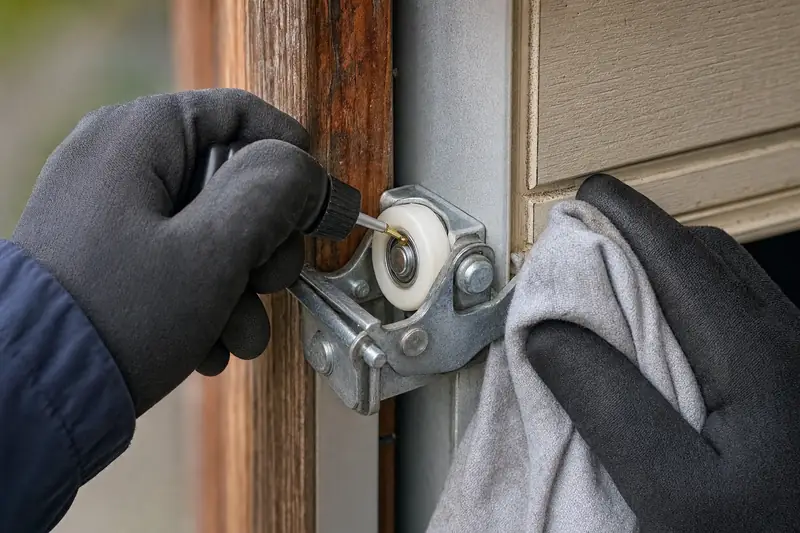 Maintenance
The checks worth doing yourself, and the ones to leave alone.
Read the guide → New doors
Why full-view aluminium keeps turning up on West Coast homes.
Read the guide →
Locally owned.
Family run.
30+ years.
Request a callback
Angie picks these up personally. Tell us what the door is doing and we’ll get back to you as quickly as we can. Outside hours we pick it up first thing the next working morning.
That did not send.
Something went wrong at our end, and we would rather tell you than pretend. Please call 604-230-3756 or email info@jmacdoors.com and we will pick it up.